
Australian Open
Last updated as of February 7, 2026.
The first Slam of the year sets the tone — and the drama is real. Follow the latest WTA Australian Open news from the blazing courts of Melbourne. From fairytale runs to top-seed showdowns, we’ve got every ace, upset, and breakthrough covered with passion and a fan’s eye.
Location history
The Australian Open, originally known as the Australasian Championships, began in 1905 at the Warehouseman’s Cricket Ground in Melbourne, Victoria, Australia. In its early years, the tournament rotated frequently across Australia and New Zealand to accommodate travel logistics of the time, which relied heavily on trains and ships, making long-distance journeys between distant cities more feasible through shared hosting burdens. Key early venues included Hagley Park in Christchurch, New Zealand (1906); Auchenflower in Brisbane, Queensland (1907 and 1915); Double Bay Grounds in Sydney, New South Wales (1908 and 1919); Perth Zoo in Perth, Western Australia (1909); Adelaide Oval in Adelaide, South Australia (1910 and 1920); Hastings, New Zealand (1912); and Mueller Park in Perth (1913) These rotations spanned seven cities in total, highlighting the event’s nomadic phase amid limited infrastructure. Following interruptions from World War I and World War II, the tournament resumed rotations in the post-war period, with Sydney emerging as a frequent host in the 1950s at White City Stadium (1951, 1954, 1958). Other cities like Adelaide at Memorial Drive (1946, 1949, 1952, 1955, 1959) and Brisbane at Milton Courts (1956, 1960, 1964) continued to share duties, but by the 1960s, Melbourne regained prominence, hosting at Kooyong Lawn Tennis Club in 1961, 1965, and 1968. From 1972 to 1987, Kooyong in Melbourne served as the permanent venue on grass courts, accommodating up to 8,500 spectators in its main stadium, though growing international participation strained its facilities and led to overcrowding concerns. The shift reflected the rise of air travel, which diminished the need for regional rotations by enabling easier access to a single, central location.
In 1988, the tournament relocated to the newly built Flinders Park (renamed Melbourne Park in 1997) in Melbourne, where it has remained ever since, marking the end of major relocations. The move boosted attendance from 140,000 at Kooyong in 1987 to 266,436 in the inaugural year at the new site, underscoring the benefits of expanded capacity and modern amenities.
While Sydney expressed interest in hosting during the 1980s amid Kooyong’s limitations, Melbourne secured the long-term commitment.
Unconfirmed rumors of international relocation surfaced in 2021 due to COVID-19 border restrictions, suggesting potential moves to Dubai or Doha, but the event stayed in Melbourne.This evolution from multi-city hosting to a fixed Melbourne base parallels the tournament’s growth into a global Grand Slam.
Australian Open Women’s Champions and Finals
2026 Elena Rybakina def. Aryna Sabalenka 6–4, 4–6, 6–4
2025 Madison Keys def. Aryna Sabalenka 6–3, 2–6, 7–5
2024 Aryna Sabalenka def. Zheng Qinwen 6–3, 6–2
2023 Aryna Sabalenka def. Elena Rybakina 6-4, 6-3
2022 Ashleigh Barty def. Danielle Collins, 6–3, 7–6(2)
2021 Naomi Osaka def. Jennifer Brady 6-4, 6-3
2020 Sofia Kenin def. Garbiñe Muguruza 4–6, 6–2, 6–2
2019 Naomi Osaka def. Petra Kvitová 7–6(2), 5–7, 6–4
2018 Caroline Wozniacki def. Simona Halep 7–6(2), 3–6, 6–4
2017 Serena Williams def. Venus Williams 6–4, 6–4
2016 Angelique Kerber def. Serena Williams 6–4, 3–6, 6–4
2015 Serena Williams def. Maria Sharapova 6–3, 7–6(5)
2014 Li Na def. Dominika Cibulková 7–6(3), 6–0
2013 Victoria Azarenka def. Li Na 4–6, 6–4, 6–3
2012 Victoria Azarenka def. Maria Sharapova 6–3, 6–0
2011 Kim Clijsters def. Li Na 3–6, 6–3, 6–3
2010 Serena Williams def. Justine Henin 6–4, 3–6, 6–2
2009 Serena Williams vs. Dinara Safina 6–0, 6–3
2008 Maria Sharapova vs. Ana Ivanovic 7–5, 6–3
2007 Serena Williams vs. Maria Sharapova 6–1, 6–2
2006 Amélie Mauresmo vs. Justine Henin 6–1, 2–0 retired
2005 Serena Williams vs. Lindsay Davenport 2–6, 6–3, 6–0
2004 Justine Henin vs. Kim Clijsters 6–3, 4–6, 6–3
2003 Serena Williams vs. Venus Williams 7–6(7–4), 3–6, 6–4
2002 Jennifer Capriati vs. Martina Hingis 4–6, 7–6(7), 6–2
2001 Jennifer Capriati vs. Martina Hingis 6–4, 6–3
2000 Lindsay Davenport vs. Martina Hingis 6–1, 7–5
1999 Martina Hingis vs. Amélie Mauresmo 6–2, 6–3
1998 Martina Hingis vs. Conchita Martínez 6–3, 6–3
1997 Martina Hingis vs. Mary Pierce 6–2, 6–2
1996 Monica Seles vs. Anke Huber 6–4, 6–1
1995 Mary Pierce vs. Arantxa Sánchez Vicario 6–3, 6–2
1994 Steffi Graf vs. Arantxa Sánchez Vicario 6–0, 6–2
1993 Monica Seles vs. Steffi Graf 4–6, 6–3, 6–2
1992 Monica Seles vs. Mary Joe Fernández 6–2, 6–3
1991 Monica Seles vs. Jana Novotná 5–7, 6–3, 6–1
1990 Steffi Graf vs. Mary Joe Fernández 6–3, 6–4
1989 Steffi Graf vs. Helena Suková 6–4, 6–4
1988 Steffi Graf vs. Chris Evert 6–1, 7–6(7–3)
1987 Hana Mandlíková vs. Martina Navratilova 7–5, 7–6(1)
1986 No competition (due to date change)
1985 Martina Navratilova vs. Chris Evert 6–2, 4–6, 6–2
1984 Chris Evert vs. Helena Suková 6–7(4–7), 6–1, 6–3
1983 Martina Navratilova vs. Kathy Jordan 6–2, 7–6(7–5)
1982 Chris Evert vs. Martina Navratilova 6–3, 2–6, 6–3
1981 Martina Navratilova vs. Chris Evert 6–7(4), 6–4, 7–5
1980 Hana Mandlíková vs. Wendy Turnbull 6–0, 7–5
1979 Barbara Jordan vs. Sharon Walsh 6–3, 6–3
1978 Chris O’Neil vs. Betsy Nagelsen 6–3, 7–6(3)
1977 Evonne Goolagong vs. Helen Gourlay 6–3, 6–0
1977 Kerry Melville Reid vs. Dianne Fromholtz 7–5, 6–2
1976 Evonne Goolagong vs. Renáta Tomanová 6–2, 6–2
1975 Evonne Goolagong vs. Martina Navratilova 6–3, 6–2
1974 Evonne Goolagong vs. Chris Evert 7–6(5), 4–6, 6–0
1973 Margaret Court vs. Evonne Goolagong 6–4, 7–5
1972 Virginia Wade vs. Evonne Goolagong 6–4, 6–4
1971 Margaret Court vs. Evonne Goolagong 2–6, 7–6(0), 7–5
1970 Margaret Court vs. Kerry Melville 6–1, 6–3
1969 Margaret Court vs. Billie Jean King 6–4, 6–1
-

The Prize Money Pyramid 2025–26: The Real Champion Paychecks in Women’s Sport
In elite sport, prestige is emotional. Prize money is mathematical. Strip away endorsements, sponsorship portfolios and social media metrics and the question becomes brutally simple: what does the champion actually earn? In 2025–26, women’s individual sport reveals a steep financial pyramid — one built not on sentiment, but on checks written. No comparisons to men.No…
-
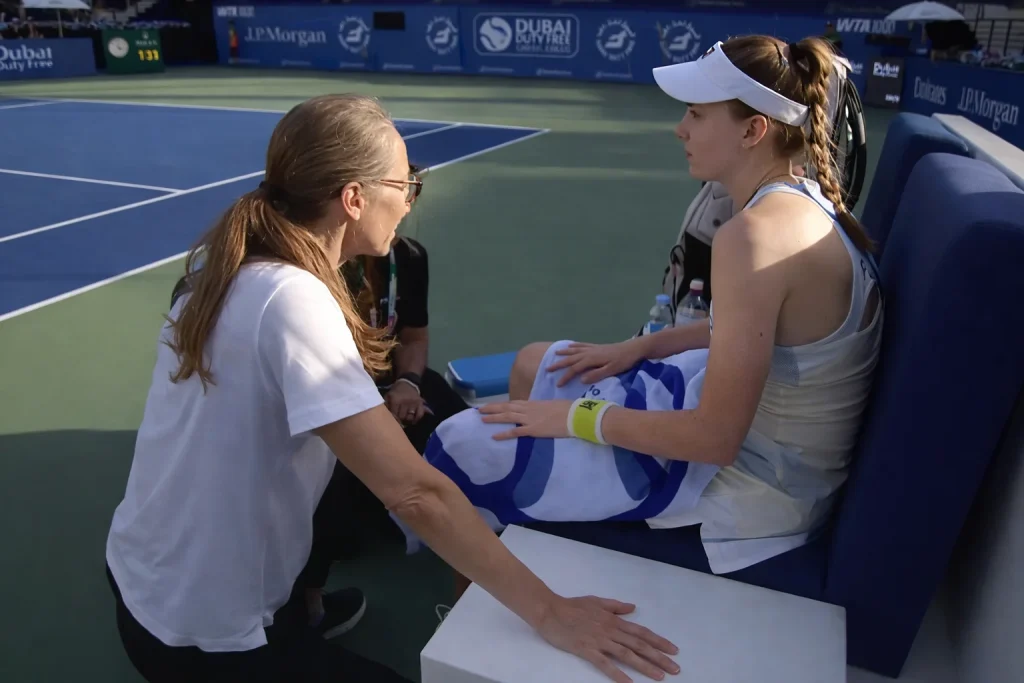
From Sabalenka to Rybakina: A Double Dozen Withdrawals Shake Dubai’s WTA 1000
The desert was meant to showcase brilliance. Instead, it has exposed fragility. While Mirra Andreeva, Coco Gauff and Amanda Anisimova surge forward under the Dubai lights, the 2026 Dubai Duty Free Tennis Championships have quietly produced a staggering statistic: a double dozen players have withdrawn or retired from the event. Twenty-four names. Across generations. Across…
-
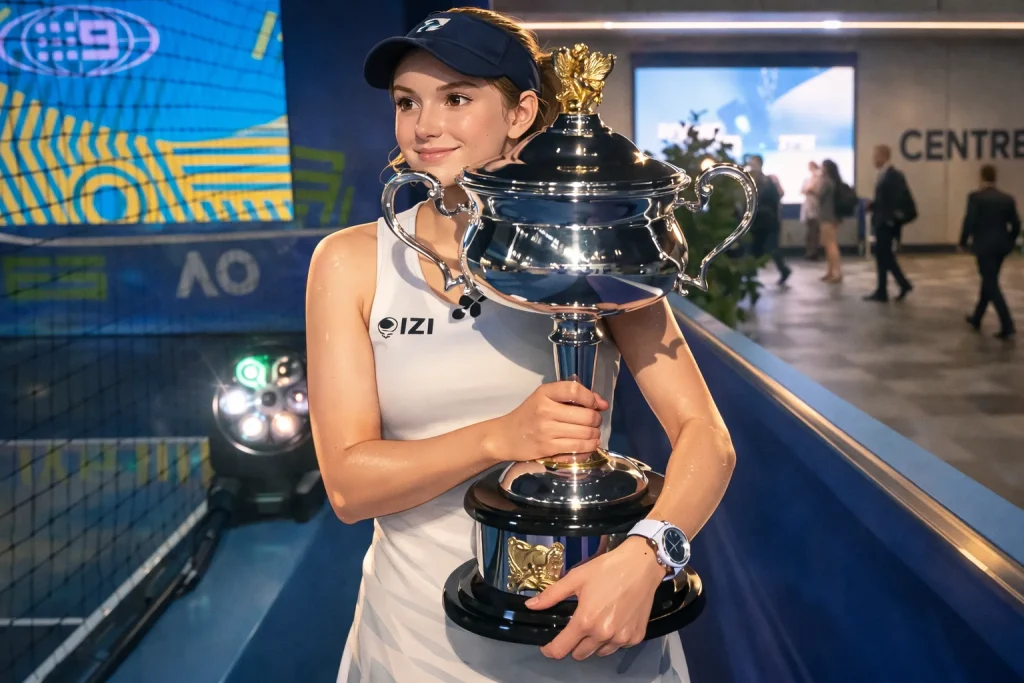
Elena Rybakina at the Crossroads: From Australian Open Champion to a World No.1 Chase
Elena Rybakina’s season feels suspended between two climates. On one side, the heat of Doha and Dubai, where she now lives and trains, pushing through long rallies under desert skies. On the other, the icy spectacle of the Winter Olympics, where athletes launch themselves into the unknown with fearless precision. Rybakina has been watching both…
-
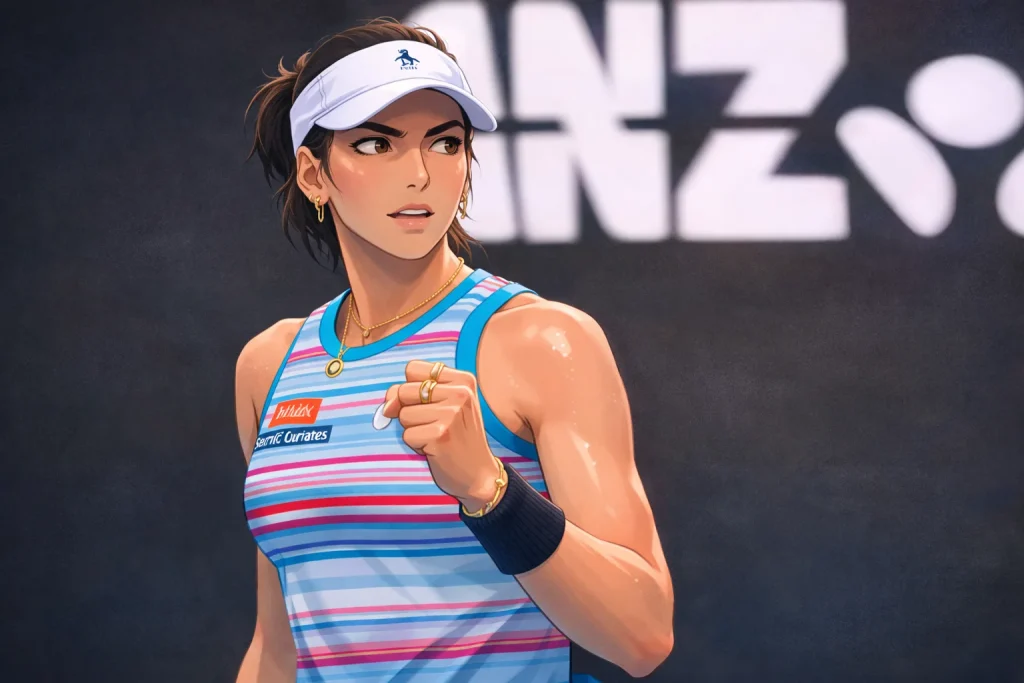
Ajla Tomljanovic Finds Her Balance: Injury Scares, Olympic Dreams and Why She Still Believes
Ajla Tomljanovic has never been a player who hides from the hard questions. Injury setbacks. Identity shifts. Form fluctuations. Even thoughts about walking away from the sport altogether. She has confronted them all — and now, at 32, she speaks about her career with a clarity that feels both grounded and quietly ambitious. Sitting down…
-
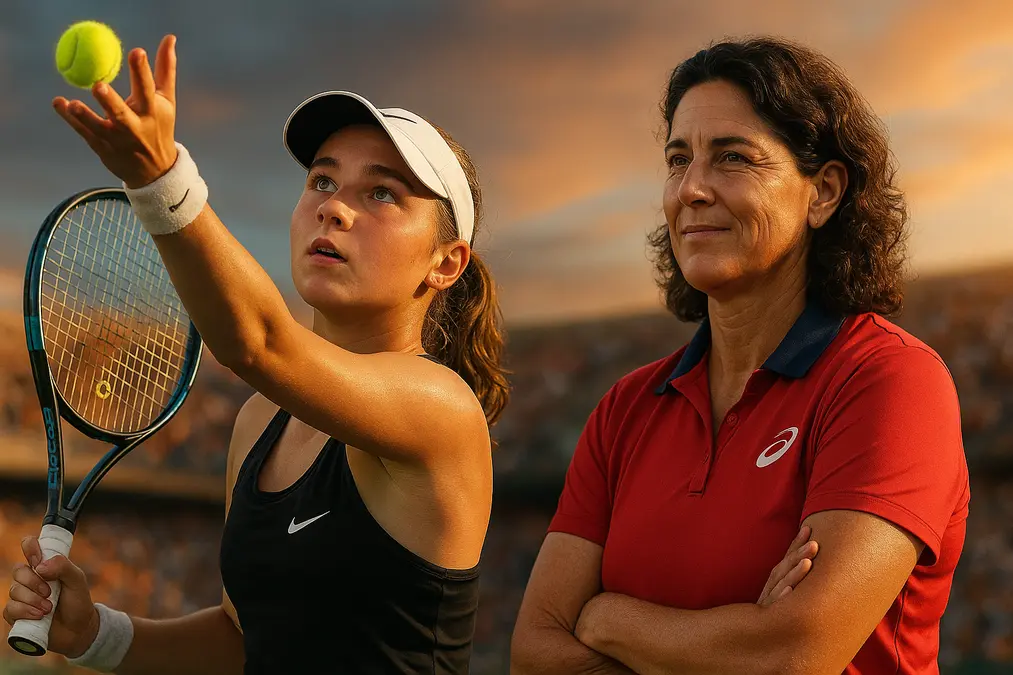
Dementieva Raises Concerns: Is Conchita Martínez the Right Coach for Mirra Andreeva?
Mirra Andreeva’s rise has been nothing short of extraordinary. At just 18, the Russian teenager has already collected major titles, broken into the elite tier of the WTA, and proven she belongs among the game’s future stars. At the center of her ascent stands Conchita Martínez — a Grand Slam champion and one of the…
-
“We’ll talk about it alongside Serena”: John Isner crowns Elena Rybakina’s serve as all-time great material
Few voices carry more authority when it comes to serving than John Isner — and when the former ATP ace speaks, the tennis world listens. On the latest episode of the Nothing Major Podcast, Isner delivered perhaps the strongest endorsement yet of Elena Rybakina’s serve, placing it firmly among the greatest the women’s game has…
-
Australian Open 2026 WTA Results: Full Tennis Scores, Daily Highlights, Charts, Draw, and Key Stats (finished)
The Australian Open 2026 is one of the four biggest tournaments of the season. With the first day of the main draw upon us, all qualifying results are in and the early contenders have begun to separate themselves. This page is built to follow the tournament match by match, day by day, with results updated…
-

“Why Not the Women?”: Australian Open Director Floats Best-of-Five Debate for WTA at Majors
While the men dominated headlines with two of the longest semifinal matches in Australian Open history, tournament director Craig Tiley posed a question that immediately reignited debate across the tennis world: why not the women? As Carlos Alcaraz and Alexander Zverev battled for five hours and 27 minutes, and Novak Djokovic required more than four…
-

Ice Queen Reigns in Melbourne: Rybakina Outlasts Sabalenka to Claim Australian Open Crown
Elena Rybakina is once again a Grand Slam champion — and this time, it happens in Melbourne. In a final worthy of its billing, the world No. 5 defeated world No. 1 Aryna Sabalenka 6–4, 4–6, 6–4 in the Australian Open women’s final, sealing the biggest hard-court title of her career with an ace under…
-
“People to Throw and Choke”: Inside Aryna Sabalenka’s Inner Circle Ahead of Australian Open Final
As Aryna Sabalenka prepares to walk onto Rod Laver Arena for yet another Australian Open final, the world No.1 does so backed by one of the tightest and most unconventional support teams in women’s tennis. At the heart of that group stands Jason Stacy, Sabalenka’s performance coach — a figure as central to her rise…
-
Rybakina Returns to the Final Stage: Kazakh Star Outlasts Pegula to Book Australian Open 2026 Showdown
Elena Rybakina is back on a Grand Slam final stage for the first time in three years — and once again, it comes in Melbourne. The world No.5 edged past Jessica Pegula 6–3, 7–6(9) in a gripping Australian Open semi-final, surviving a second-set scare in which Pegula saved three match points before Rybakina finally closed…
-

Moscow – Minsk in Melbourne: Rybakina Avoids Late Semi-Final Second-Serve Meltdown against Battling Pegula
Elena Rybakina is heading back to the Australian Open final — but not without a scare. The 2023 finalist overcame Jessica Pegula 6–3, 7–6(7) in a high-quality, tension-filled second semi-final on Rod Laver Arena, surviving a late wobble on serve and a defiant fightback from the American to set up a blockbuster rematch with world…
-

Sabalenka Slams the Door: World No. 1 Powers Past Svitolina Into Another Australian Open Final
Aryna Sabalenka does not linger when the path is clear. Once Elina Svitolina briefly cracked the door open in the second set, the world No. 1 shut it with force, authority, and ruthless efficiency. A 6–2, 6–3 semifinal win sent Sabalenka into her fourth consecutive Australian Open final, a streak that now feels almost routine…
-
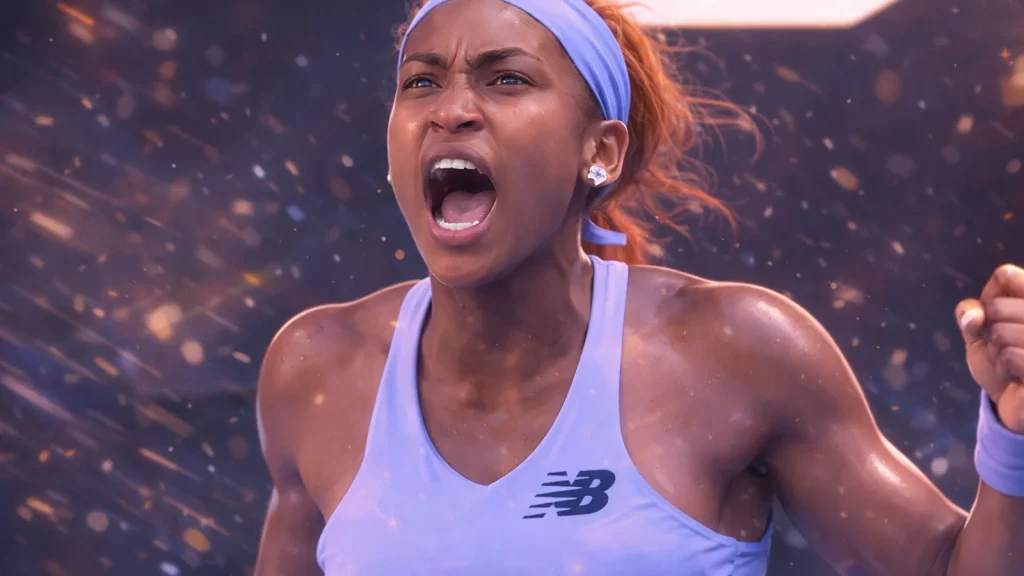
Serena Steps In: Williams and Swiatek Defend Coco Gauff After Australian Open Meltdown
Coco Gauff’s Australian Open ended not with a rally, but with a release. After a one-sided quarterfinal loss to Elina Svitolina, cameras caught the 21-year-old unloading her frustration in the locker room — and within hours, the tennis world was debating where emotion ends and optics begin. One voice cut cleanly through the noise. Serena…
-
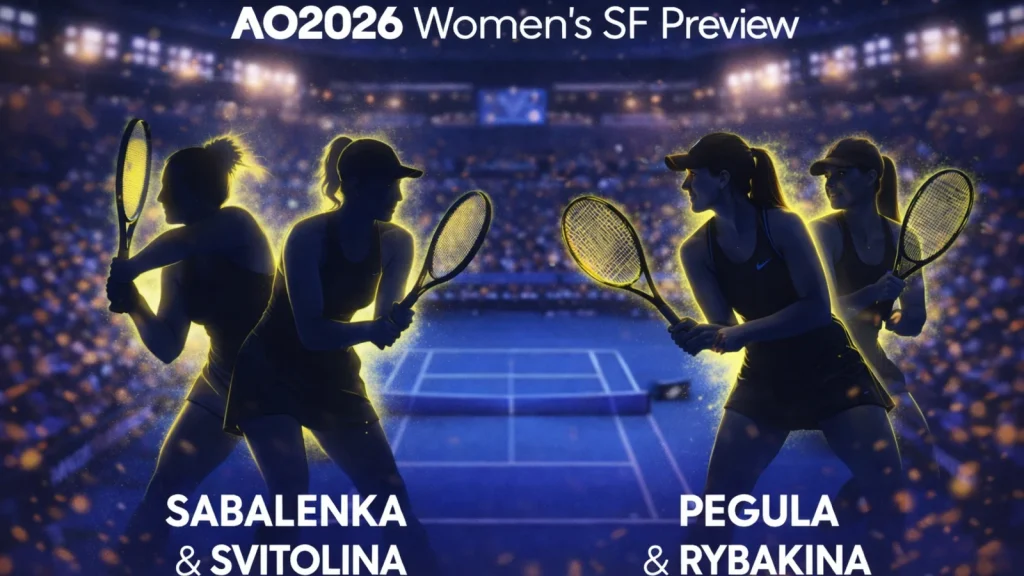
Australian Open 2026 WTA Semi-Finals Preview: Power, Pressure and the Numbers That Matter
The women’s singles draw at the Australian Open reaches its sharpest point on Thursday, January 29, with two semi-finals that pit dominance against resilience and momentum against consistency. Aryna Sabalenka faces Elina Svitolina in a rivalry shaped by tension and control, while Elena Rybakina and Jessica Pegula meet in a clash that has remained perfectly…
-
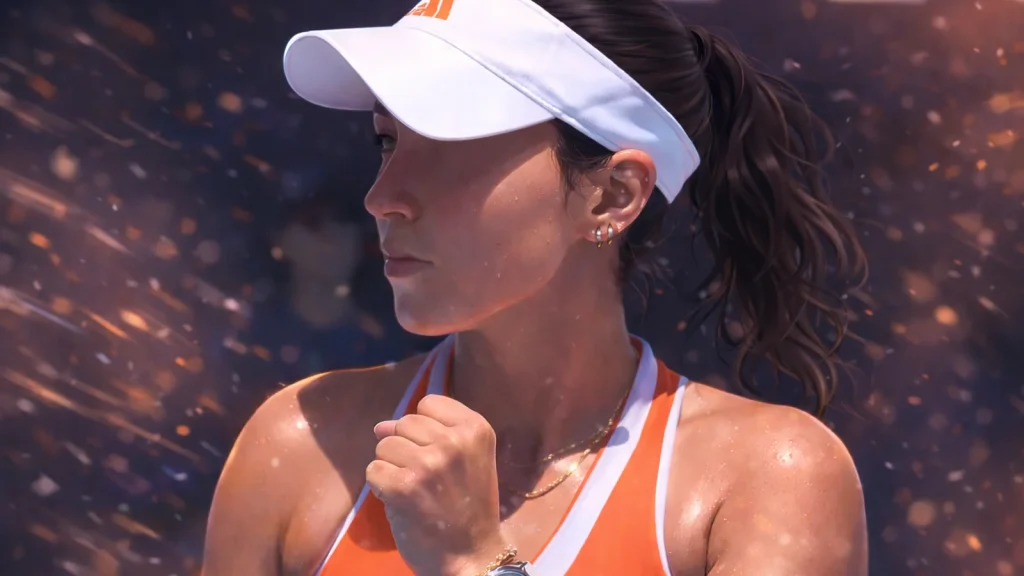
Pegula Breaks the Melbourne Barrier to Reach First Australian Open Semifinal
Jessica Pegula has finally kicked in a door that had refused to budge for three straight years. The world No.6 reached her third career Grand Slam semifinal — and her first outside the United States — by beating Amanda Anisimova 6–2, 7–6(1) in a tense Australian Open quarterfinal that demanded both control and nerve. Pegula,…
-
Rybakina Rips Control From Swiatek to Storm Into 2026 Melbourne Semifinal
Elena Rybakina didn’t just beat Iga Swiatek in the Australian Open quarterfinals — she took the match away from her. One late opening in the first set was all the Kazakh needed. From there, the momentum swung hard, the points stacked quickly, and Swiatek never recovered as Rybakina closed out a commanding 7–5, 6–1 win…
-
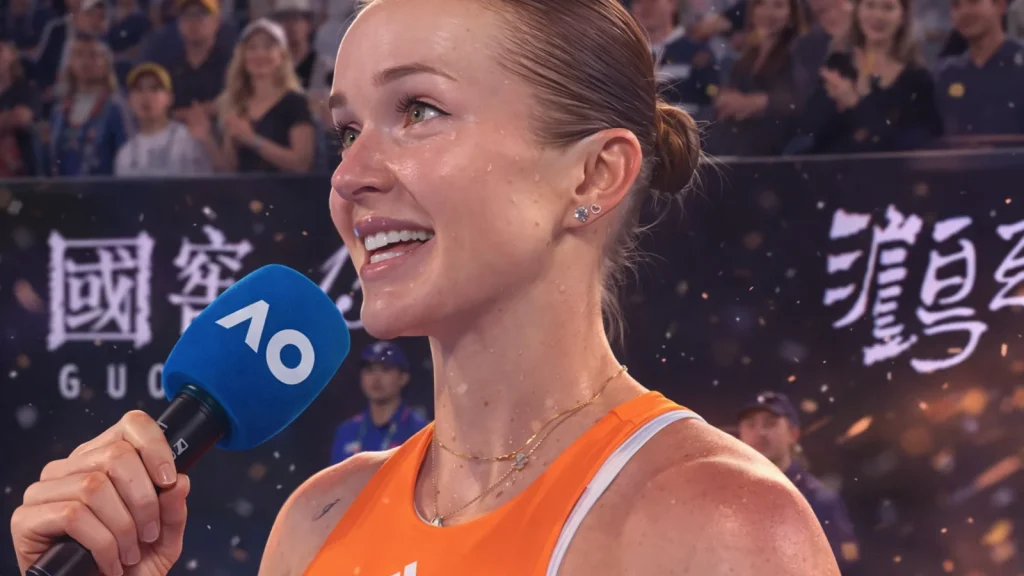
Svitolina Picks Gauff Apart to Reach First Australian Open Semifinal
Elina Svitolina has waited a long time for Melbourne to feel like hers. On Tuesday, it finally did. The Ukrainian shredded a strangely flat Coco Gauff 6–1, 6–2 to reach her first Australian Open semifinal and a fourth Grand Slam semi overall, turning a marquee quarterfinal into something close to a training drill. For the…
-

Sabalenka Ends Jovic’s Fairytale — Power, Heat, and Hierarchy in Melbourne
Iva Jovic’s rise over the past two weeks will take her knocking on the door of the Top 20, but heart only goes so far against the world No.1. Aryna Sabalenka halted the 18-year-old’s breakout run with a firm 6–3, 6–0 win, underlining the distance that still exists between promise and dominance — and positioning…
-
Anisimova Digs Deep to Break Xinyu Wang’s Impressive Resistance
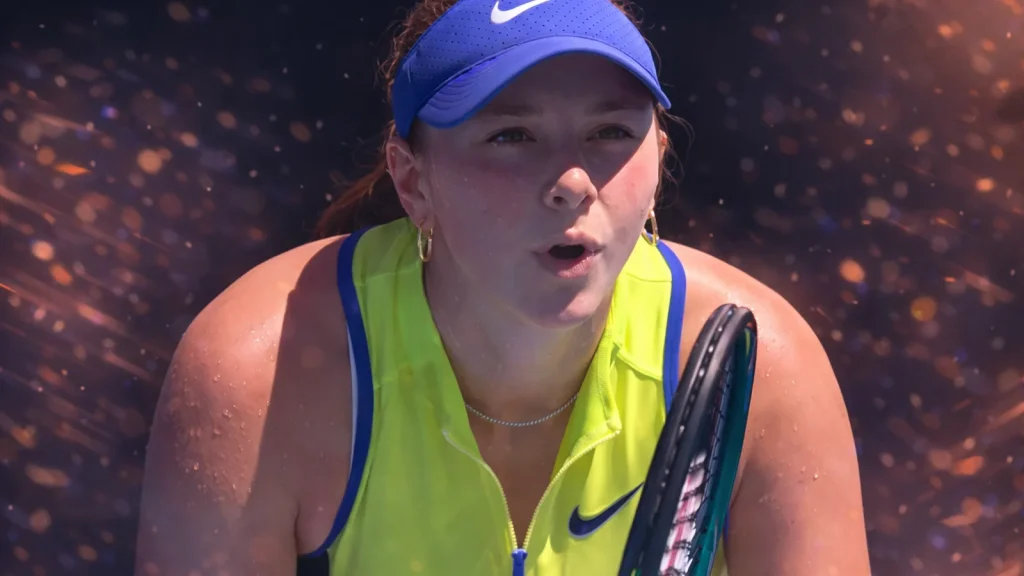
Amanda Anisimova advanced to the Australian Open 2026 Round of 16 after a straight-sets win over Xinyu Wang. Here’s how the match was decided—and what it means ahead of her clash with Jessica Pegula. Anisimova’s Tiebreak Edge Decides a Hold-Heavy Opener The opening set was all about serve stability and patience, with neither Xinyu Wang…
-
Pegula Ends Keys’ Title Defense With Cold Precision in Melbourne
Jessica Pegula has a knack for turning familiar matchups into unfinished business settled. On Sunday in Melbourne, the world No.6 dismantled defending champion Madison Keys’ Australian Open title defense with a controlled 6–3, 6–4 win, leaning on discipline, patience, and a ruthless reading of Keys’ errors to reach the quarterfinals. It was Pegula’s fourth quarterfinal…
-
Gauff Keeps Muchova in Check to Reach Australian Open Quarterfinals
Coco Gauff has a habit of making uncomfortable matchups look familiar. Karolina Muchova arrived with variety, timing, and the kind of all-court craft that can derail even the best-laid plans. She left with the same result as everyone else who has faced Gauff: a loss, and a growing sense that this particular puzzle remains unsolved.…
-
Svitolina Exploits Andreeva’s Forehand to Reach the AO26 Quarterfinals
Elina Svitolina’s comeback story keeps finding new chapters. In a compelling fourth-round Australian Open (all AO26 results) clash against teenage sensation Mirra Andreeva, the Ukrainian delivered a masterclass in resilience, focus, and controlled aggression. What began as a test of nerves and momentum swings ultimately became a showcase of Svitolina’s renewed authority — a performance…
-

Swiatek Stumbles, Resets, Advances — and Now Braces for a Home Crowd Test
Iga Swiatek was made to work for her authority in Melbourne. The six-time Grand Slam champion surrendered her first set of the tournament before regrouping to beat Anna Kalinskaya 6–1, 1–6, 6–1, passing a genuine examination of rhythm, resolve, and reset at the Australian Open. The world No.2 had cruised through Yue Yuan and Marie…
-

Jovic Blows the Doors Off in Melbourne — and Earns a Date With Sabalenka
Iva Jovic didn’t just reach her first Grand Slam quarterfinal at the Australian Open. She tore into it at full speed. The 18-year-old dismantled Yulia Putintseva 6–0, 6–1 in just 53 minutes, producing one of the most one-sided performances of the tournament and announcing herself as a genuine problem for anyone left in the draw.…
-

Anisimova Turns Melbourne Into Familiar Territory as Stearns Is Swept Aside
Amanda Anisimova is starting to make the Australian Open feel like unfinished business. The world No.4 rolled past fellow American Peyton Stearns 6–1, 6–4 in just over 70 minutes, extending a Grand Slam run that now looks less like a streak and more like a statement. It was her 11th win across her last 17…
-

What is the Australian Open’s Extreme Heat Policy?
The Australian Open’s Extreme Heat Policy is the tournament’s safety system for dealing with Melbourne’s most predictable wildcard: brutal January heat — and it was triggered on Saturday, January 24, as temperatures surged at Melbourne Park. It sets out when organisers can add extra recovery time for players, shift matches onto roofed arenas, and, in…
-

Jana Fett Provisionally Suspended in ITIA Anti-Doping Case
Jana Fett has spent the opening weeks of 2026 as a tennis absentee — now we know why. On Friday, January 23, 2026, the International Tennis Integrity Agency (ITIA) confirmed that the 29-year-old Croatian has been provisionally suspended under the Tennis Anti-Doping Programme after an in-competition test produced three prohibited substances. For a player who…
-
Home of the Brave: Potapova Pushes Tie-Break Queen Sabalenka to the Edge
In the land of the brave, Big Science — and its little sister, Big Data — has already delivered its verdict: when sets tighten and walls appear, Aryna Sabalenka breaks them. Across the 2025 season she lost just three tiebreaks, winning 22 to set a record-breaking standard. This year, on another Melbourne afternoon built for…
-
“Ten Days Without a Racket Isn’t Enough”: Swiatek Lays Bare the Physical Toll of an Eleven-Month Season
Iga Swiatek keeps winning, but she is not pretending it comes easily. After another efficient Australian Open performance, the world No. 2 spoke less about trophies and more about fatigue, using her Melbourne press conference to underline just how unforgiving the modern tennis calendar has become. Swiatek brushed aside Marie Bouzkova 6-2, 6-3 in the…