

The microphones were hot — and so were the takes.
In the latest episode of Nothing Major, Sam Querrey, John Isner, Steve Johnson and Jack Sock turned their focus to the women’s tour, delivering one of the most wide-ranging and surprisingly sharp WTA discussions in recent memory.
From Alexandra Eala’s meteoric rise as a global box-office force to Jessica Pegula’s clinical Dubai triumph — and yes, the ever-lingering debate about Coco Gauff’s serve — the former ATP quartet dissected a week that felt bigger than the scoreboard.
And the biggest question of all?
Is Alexandra Eala already the biggest draw in women’s tennis?
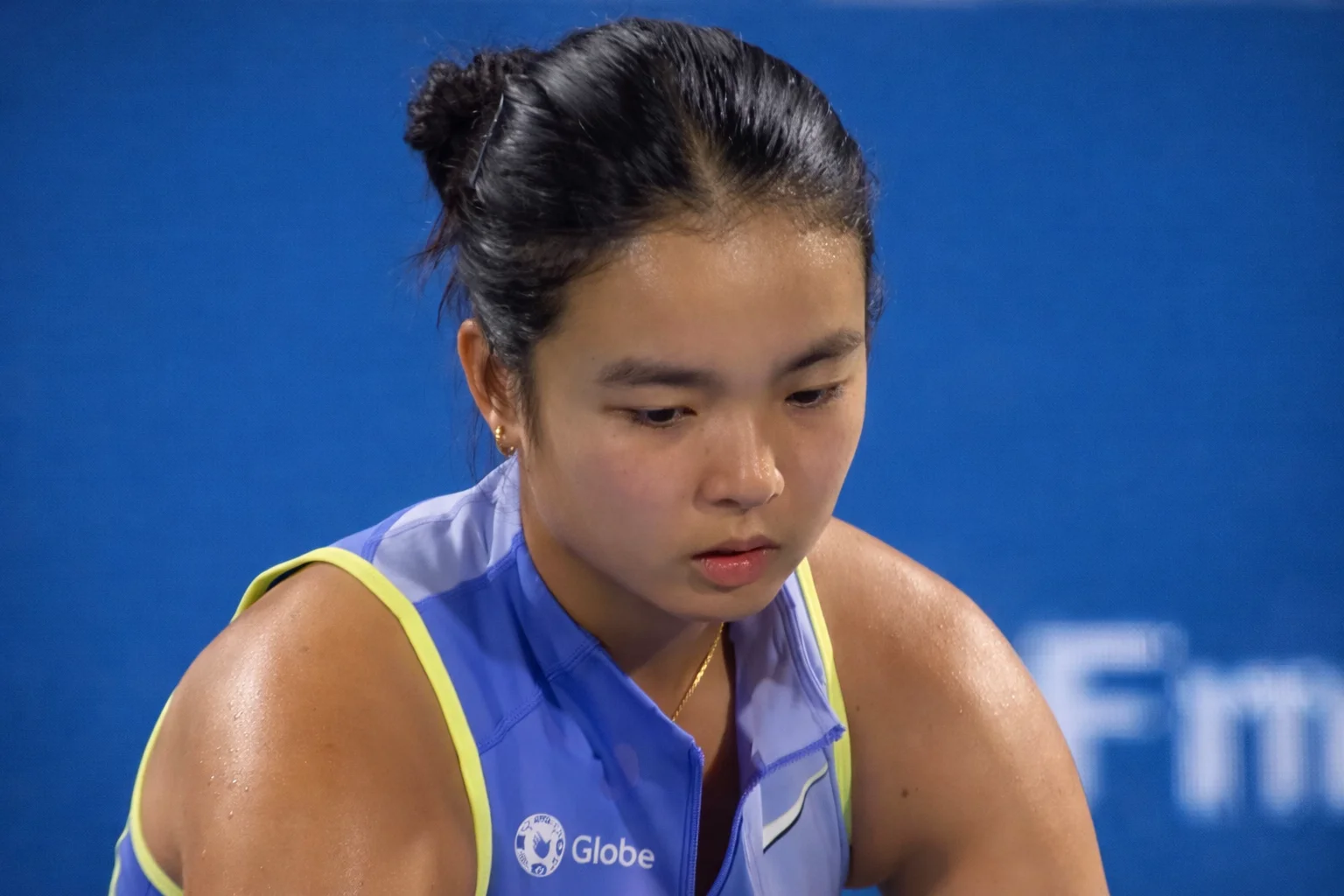
Alexandra Eala: A Global Phenomenon in Real Time
Sam Querrey opened with a bold premise:
“Is she the biggest draw in women’s tennis worldwide right now? Bigger than Sabalenka? Bigger than Coco?”
Steve Johnson didn’t hesitate.
He compared Eala’s impact to Joao Fonseca’s breakout buzz in Miami last year — and then went even further.
Standing-room-only courts. Packed stadiums in Australia. Overflowing crowds in Dubai.
According to Johnson, it’s not just tennis fans — it’s a national wave of support from the Philippines turning into a worldwide movement.
John Isner backed that view, pointing specifically to the Middle East swing:
“The Doha crowds were insane. Absolutely insane.”
What stands out is how quickly it happened.
Johnson admitted that before Miami last year, many casual fans barely knew Eala. Now? She’s landing magazine covers and forcing tournament directors to rethink court assignments.
She may not be Top 10 — yet — but she’s commanding center stage.
And in a global sport, market size matters. Isner made it clear: tennis may have underestimated the scale of the Filipino audience.
If Eala wins a Slam? The ripple effect could be seismic.
Pegula’s Dubai Masterclass: “Clinical” and Convincing
From hype to hardware.
Jessica Pegula’s WTA 1000 triumph in Dubai earned universal praise on the podcast. After defeating Amanda Anisimova in the semifinals and Elina Svitolina 6–2, 6–4 in the final, Pegula lifted her fourth WTA-1000 title.
Johnson described the performance in one word:
Clinical.
Pegula’s precision from the baseline, controlled aggression, and mental clarity defined the final. She needed just over an hour to dismantle Svitolina — no drama, no dip, no doubt.
Even with Aryna Sabalenka and Iga Swiatek absent from the field, the consensus was clear: this was a confidence-building win that reinforces Pegula’s elite status.
She still lacks a Grand Slam trophy. But titles like Dubai reinforce belief — and belief wins majors.
A lighter moment? Pegula’s post-match celebration with coach Mark Knowles, who appeared momentarily distracted scrolling on his phone before realizing his player had just secured a WTA-1000 crown.
Even champions can get ghosted — briefly.
Coco Gauff’s Serve: Problem or Growing Pain?
Then came the delicate subject.
Coco Gauff reached the semifinals in Dubai — a strong result on paper. Yet once again, her serve dominated discussion.
John Isner struck a balanced tone. Yes, the double faults resurface. Yes, rhythm breaks appear under pressure. But calling it a “problem” might be overstated.
Steve Johnson referenced an on-court exchange between Gauff and her serve coach Gavin McMillan — a visible moment of frustration.
“It looked like she said, ‘I’ve done everything you asked and I’m still serving like this.’ That’s not something you want mid-match.”
Still, perspective matters.
Gauff remains one of the most complete competitors of her generation. Semifinal finishes at WTA-1000 events are not signs of collapse — they’re markers of consistency.
The serve isn’t broken. It’s evolving.
And evolution often looks messy before it looks dominant.
A Podcast That Mirrors the Tour’s Moment
The episode ended on a lighter note, with Jack Sock recounting being fooled by the parody account Tennis Centel after clicking on a fake headline about one of Gauff’s second serves.
But beneath the humor was something more revealing:
The women’s tour is generating conversation beyond match results.
Eala is reshaping audience demographics.
Pegula is stacking trophies.
Gauff is refining her foundation.
And former ATP pros are watching closely.
If this week proved anything, it’s that the WTA narrative in 2026 is layered — commercial, competitive, emotional.
And increasingly, impossible to ignore.