
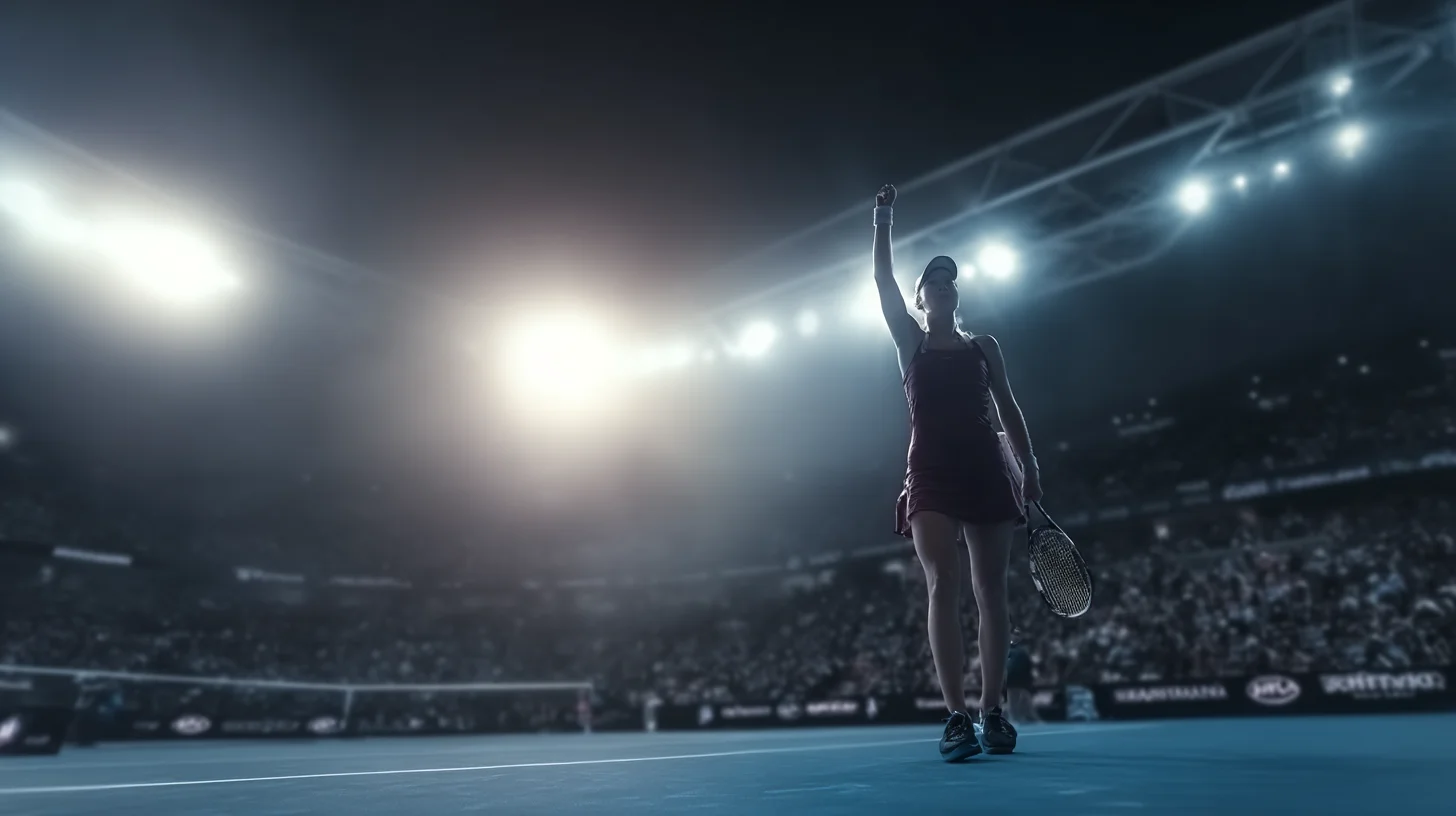

Elena Rybakina is back on a Grand Slam final stage for the first time in three years — and once again, it comes in Melbourne. The world No.5 edged past Jessica Pegula 6–3, 7–6(9) in a gripping Australian Open semi-final, surviving a second-set scare in which Pegula saved three match points before Rybakina finally closed the door in a dramatic tiebreak.
With the victory, Rybakina moves ahead 4–3 in the head-to-head against Pegula and extends her astonishing run of form to 19 wins in her last 20 matches, underlining why she has been one of the most formidable players on tour since late 2025.
“I’m really happy with today’s win,” Rybakina said afterwards. “The second set was very tough, but I’m glad it went my way. I feel like I’ve improved match by match throughout the tournament.”
A third Grand Slam final — and familiar opposition
Saturday’s final will mark Rybakina’s third appearance in a Grand Slam final, following her Wimbledon triumph in 2022 and her runner-up finish at the Australian Open in 2023. That Melbourne final ended in heartbreak, as she surrendered a one-set lead to Aryna Sabalenka — the very opponent she will face again in the 2026 title match.
“I’m definitely very happy to be back in a final,” Rybakina reflected. “In other years I was close with semi-finals, but now I’m one step closer again. That feels great.”
The Kazakh enters the final as arguably the tour’s most in-form player. She closed 2025 with titles at the Ningbo Open and the WTA Finals, the latter featuring five consecutive wins over Top 10 opponents.
“The WTA Finals gave me a lot of confidence,” she said. “I played tough, close matches and won all of them. I’m trying to carry that mindset into this season.”
“I’ve played better in every match”
Rybakina arrives in the final without dropping a set — a rarity at this level. The last time both women’s finalists reached a Grand Slam final undefeated was Wimbledon 2008, when Venus and Serena Williams contested the title.
“It’s a nice statistic,” Rybakina acknowledged. “I didn’t start this tournament in my best form, but I’ve played better in every match. That’s important for me.”
She also revisited the painful memories of the 2023 final loss in Melbourne.
“That match was very close. I had small chances, but at the end Aryna stepped up. She served much better and deserved to win,” she said. “A lot of time has passed. Hopefully I can use the experience I’ve gained since then.”
Team stability and adapting without the serve
One of the quieter storylines behind Rybakina’s resurgence has been the return of longtime coach Stefano Vukov, following a period of instability in her team. Vukov had previously been suspended by the WTA over allegations of misconduct, a sanction that was later lifted, with Rybakina consistently defending his role and support.
“He knows me best,” Rybakina said. “His advice during matches really makes a difference. The whole team is important — my physio, my fitness coach, everyone.”
That collective effort has been crucial in matches where her biggest weapon has misfired. Against Iga Swiatek, Rybakina landed just 49% of first serves, yet conceded only one break. Against Pegula, her first-serve percentage hovered around 55%, including just 48% in the opening set — still enough to win in straight sets.
“My serve doesn’t always work the way I want,” she admitted. “So I’ve learned to stay calm, think during the match and adapt. So far it’s working.”
Back at world No.3 — and one step from history
Rybakina is now guaranteed a return to her career-high ranking of world No.3, behind only Aryna Sabalenka and Iga Swiatek. After seasons of inconsistency and ranking drops, she is firmly back among the elite — and one win away from her second Grand Slam title.
Sabalenka leads the overall head-to-head 8–6, though on hard courts the margin tightens to 6–5. The stage is set for a heavyweight rematch, three years in the making.
Melbourne will decide whether history repeats — or finally tilts the other way.