
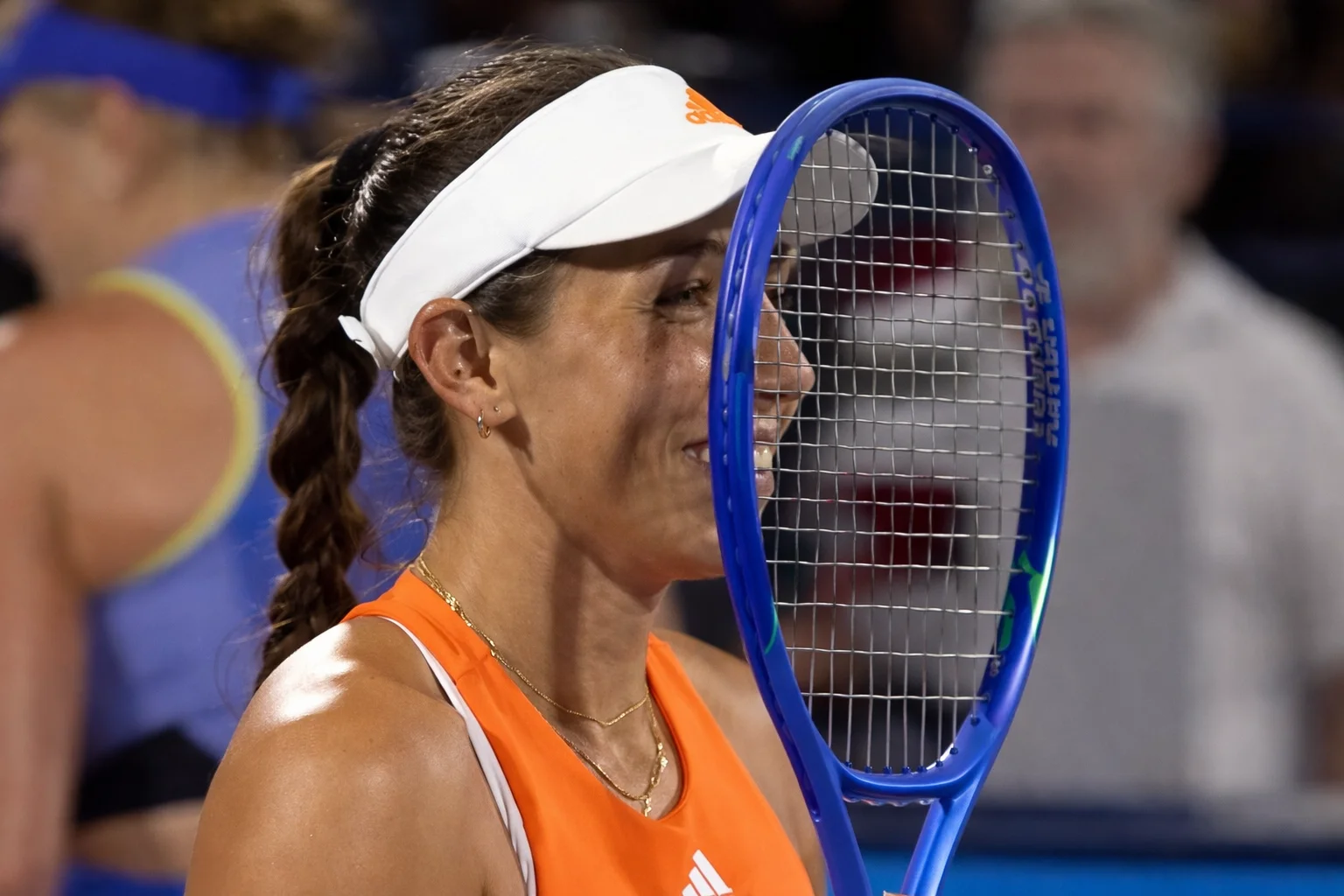

Jessica Pegula left little doubt in Charleston, turning a balanced opening into a one-sided finish to retain her title with a 6–2, 6–2 victory over Yuliia Starodubtseva.
For a brief stretch, the final hinted at something more competitive. Starodubtseva matched Pegula through the opening games, holding serve comfortably and using early timing to establish rhythm from the baseline. But once Pegula found her footing on return, the match shifted quickly—and decisively.
Pegula takes control after early balance
Jessica Pegula def. Yuliia Starodubtseva 6–2, 6–2
At 2–2 in the opening set, Pegula struck. The first break came not through outright force, but through patience—extended rallies, deeper returns, and a growing read on Starodubtseva’s serve patterns.
From that moment, the dynamic changed.
Pegula reeled off five consecutive games to close the set, raising her first-serve percentage while removing risk from her second serve. The effect was immediate: shorter points on her terms, and mounting pressure on her opponent’s delivery.
Starodubtseva’s level dipped in response. Her rally tolerance wavered, and her serve—so reliable early—began to offer openings.
Relentless pressure defines the second set
The second set followed the same trajectory, only faster.
Pegula broke immediately, extending her run to eight straight games and effectively removing any scoreboard tension. Her return position crept further inside the court, allowing her to attack second serves and dictate the first strike in rallies.
Starodubtseva briefly halted the momentum with a late break and hold, but it proved a pause rather than a turning point. Pegula reset instantly, holding serve cleanly before closing out the match without complication.
Numbers reflect control
The foundation of Pegula’s win lay in two areas: first-serve reliability and sustained return pressure.
She consistently won the majority of points behind her first delivery, while repeatedly exposing Starodubtseva’s second serve. Across both sets, that imbalance translated into a sequence of breaks that left little room for recovery.
Starodubtseva, despite a composed start, struggled to maintain pressure in return games and saw her second-serve points yield diminishing returns as the match progressed.
All results and match stats:
A statement start to the clay season
For Pegula, the title confirms more than just form—it reinforces her growing authority on clay at this stage of the season. Back-to-back titles in Charleston underline a level of consistency that continues to separate her from much of the field.
Starodubtseva, meanwhile, leaves with a different kind of success. Her first WTA 500 final marks a breakthrough week, one that should translate into a significant ranking rise and greater presence in the months ahead.
One finished with a trophy. The other with momentum. On this surface, both can matter.